
Cute Online. Cruel Offline.
Social media has changed the way people interact with animals. Platforms such as Instagram, TikTok, and YouTube are filled with videos of otters holding hands, monkeys wearing clothes, and slow lorises being tickled by their owners. These videos often appear harmless or entertaining, presenting wild animals as cute companions rather than wildlife.
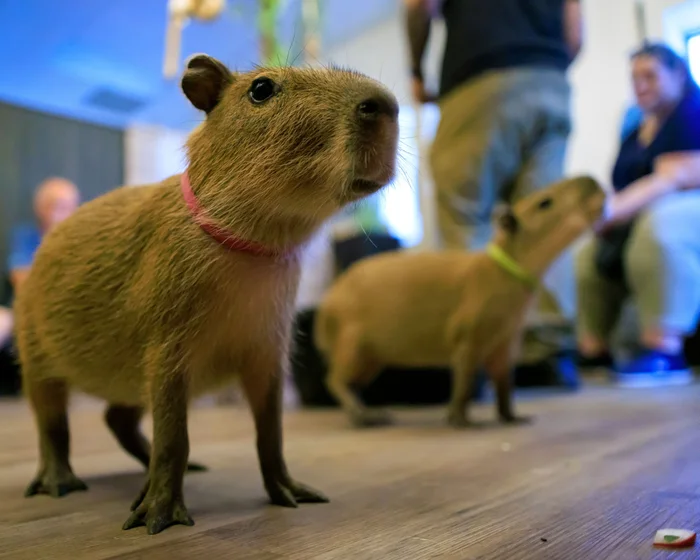
Viral Animal Content
Videos of exotic animals are widely shared across social media platforms. These posts often present wild animals as affectionate, playful, or suitable companions for humans. When audiences repeatedly see animals behaving calmly around people, it can create the impression that these animals are safe and appropriate pets.
However, these videos rarely show the full context of captivity. Many exotic animals featured online have complex environmental, social, and dietary needs that cannot be met in typical domestic environments.
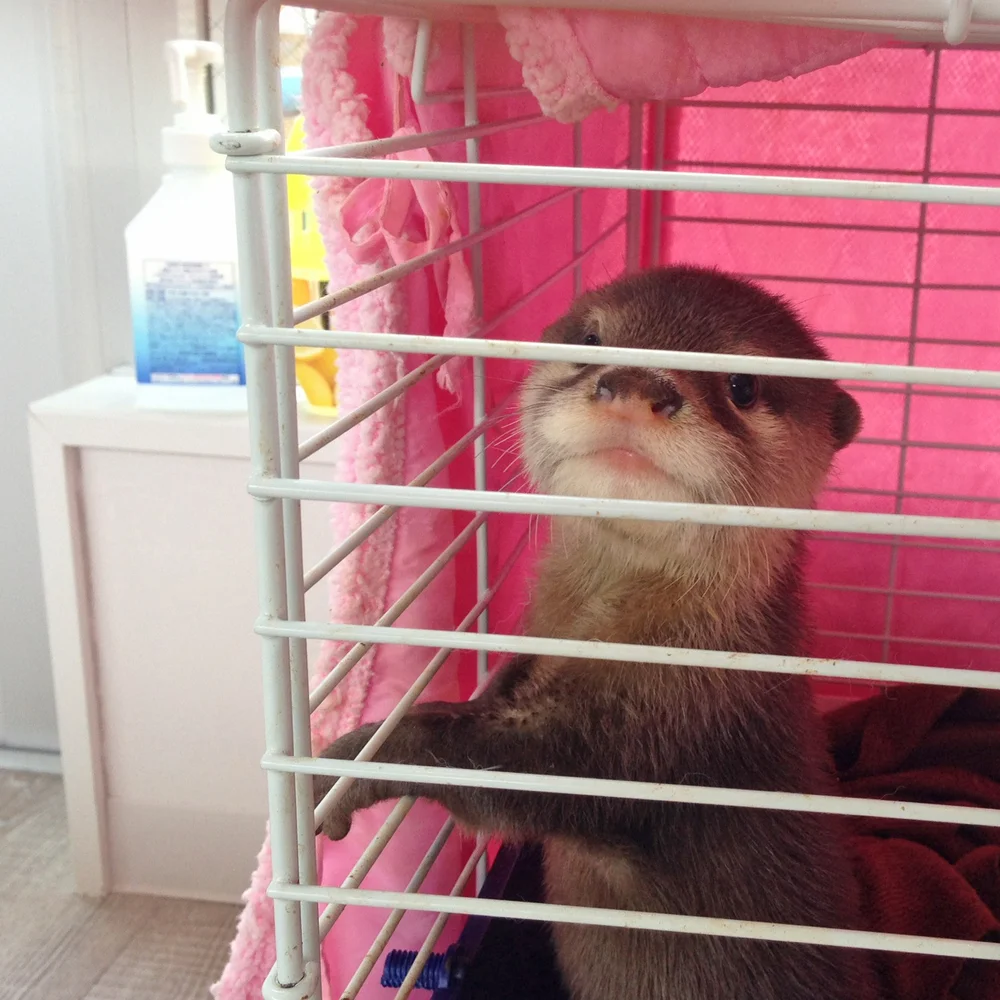
The Exotic Pet Trade
The demand for exotic animals as pets is closely linked to online visibility. As certain species gain popularity through viral videos, interest in owning these animals increases. This demand can contribute to wildlife trafficking, captive breeding operations, and environments where animals are kept primarily for entertainment or profit.
Many exotic animals sold as pets are taken from the wild as infants, separated from their mothers, and transported through illegal trade networks.
Social Media and Perception
Social media algorithms promote content that receives high engagement. Videos featuring animals behaving in unusual or human-like ways often attract millions of views. Because audiences are exposed to these images repeatedly, perceptions of wildlife can shift. Naturally, wild animals may begin to appear domesticated or harmless.
This shift in perception can normalize the idea of keeping exotic animals as pets or using them as entertainment.

What Can You Do?
The work continues beyond the exhibition through an animal sanctuary, extending the experience from awareness into action. The goal is to move attention into care, and care into something tangible that continues after.